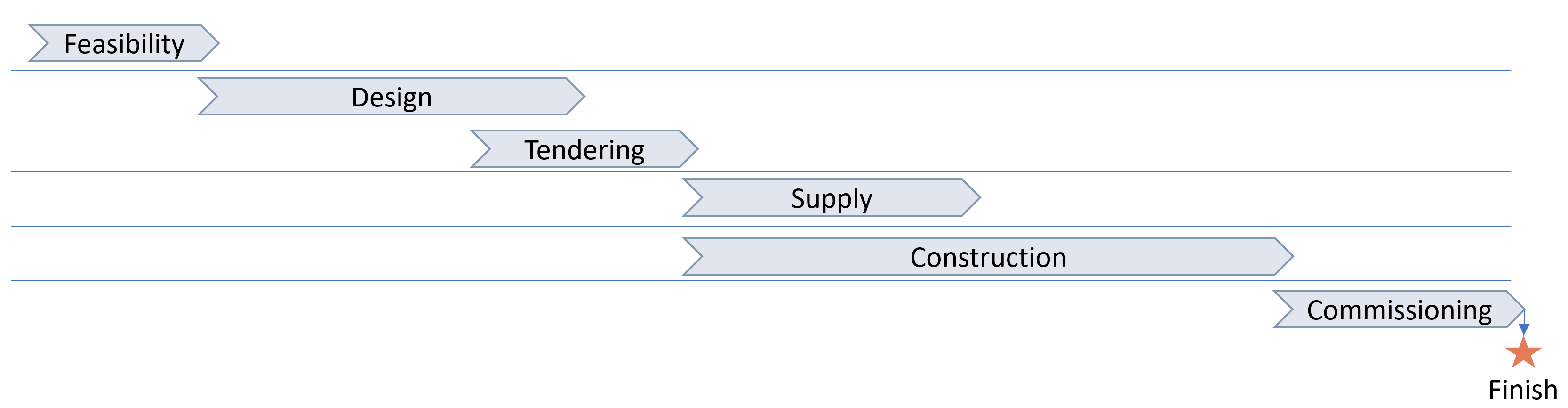
At the outset of constructing a project programme, thorough information gathering takes place. This involves engaging with each project participant and analysing relevant documentation. This initial phase provides a comprehensive understanding of project requirements and time constraints.
Having painted a complete picture, we proceed to create a programme that intricately covers key project phases: design, procurement, construction, and commissioning. To efficiently manage temporal and resource aspects, modern software such as MS Project and Oracle Primavera is utilised.
The subsequent stage involves aligning the developed schedule with all stakeholders in the project. Upon successful alignment, a baseline plan is formulated, serving as the foundation for ongoing project management.
An integral part of this process is the identification of critical tasks. These tasks pinpoint the minimum time required for project completion and serve as the focal point of management, ensuring strict adherence to timelines.
A noteworthy aspect of our methodology is its flexibility. Throughout project implementation, the programme undergoes continuous evaluation and, if necessary, adjustments. This ensures adaptability to changing conditions, effective responses to unexpected events, and ultimately, the successful completion of the project within established parameters.
Step 2: Scheduling Support
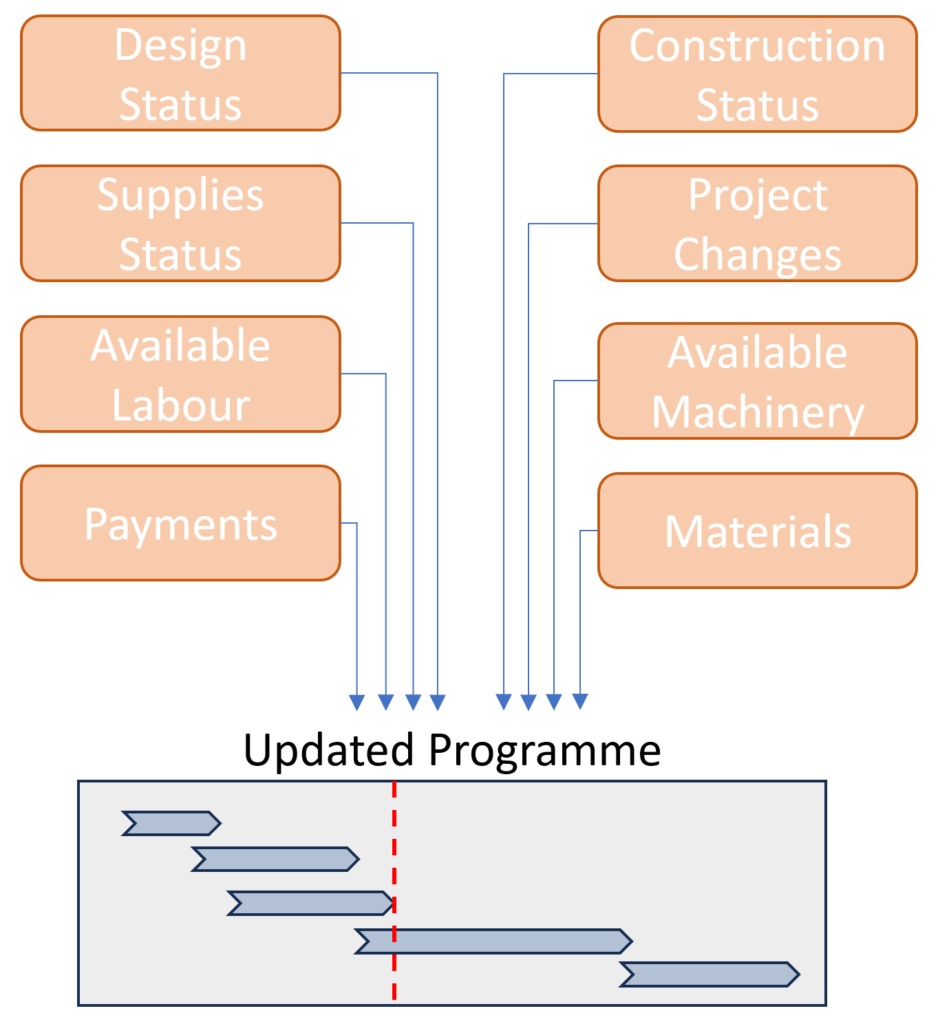
After the baseline plan is approved, and the project is in its active stage, the construction schedule must be adjusted to reflect the current project conditions and any changes. Properly supporting the construction schedule enables a strategic response to emerging risks related to timelines, budget, and resources.
Cost Plan Manage provides services that include the following:
• Weekly/Monthly Analysis
A regular analysis of the current project status is conducted, encompassing completed tasks, progress in ongoing tasks, and identification of any delays or changes in plans.
• Task Updates
In the event of changes in the project or the emergence of new information, tasks in the programme are updated. This includes reviewing timelines, reallocating resources, and adjusting dependencies between tasks.
• Correction Implementation
If unforeseen circumstances arise or tasks require correction, corresponding changes are made to the programme. This involves analysing the impact of changes on the entire project and reorganising tasks to minimise adverse consequences.
• Coordination with Stakeholders
Any changes in the programme are discussed and coordinated with all stakeholders, including clients, contractors, and other key project participants.
• Monitoring Critical Tasks
Critical tasks, crucial for project completion timelines, are meticulously monitored. In case of changes or delays in these tasks, immediate actions are taken to minimise their impact on the overall programme.
• Regular Communication
Open and regular communication with project participants plays a pivotal role in the successful support and updating of the programme. Information exchange, discussion of changes, and identification of potential issues contribute to effective time and resource management.
Step 3: Project Reporting
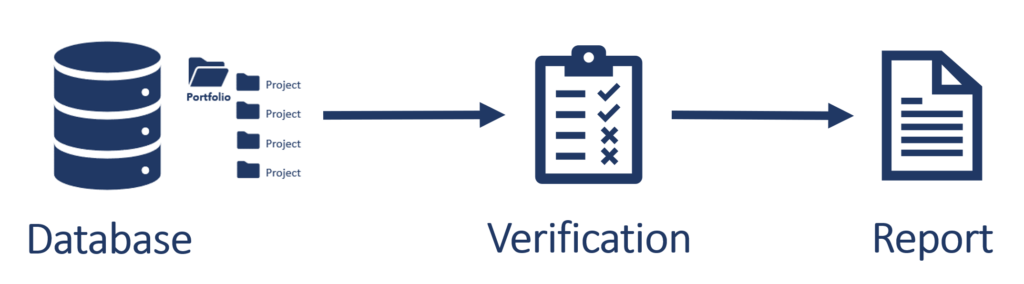
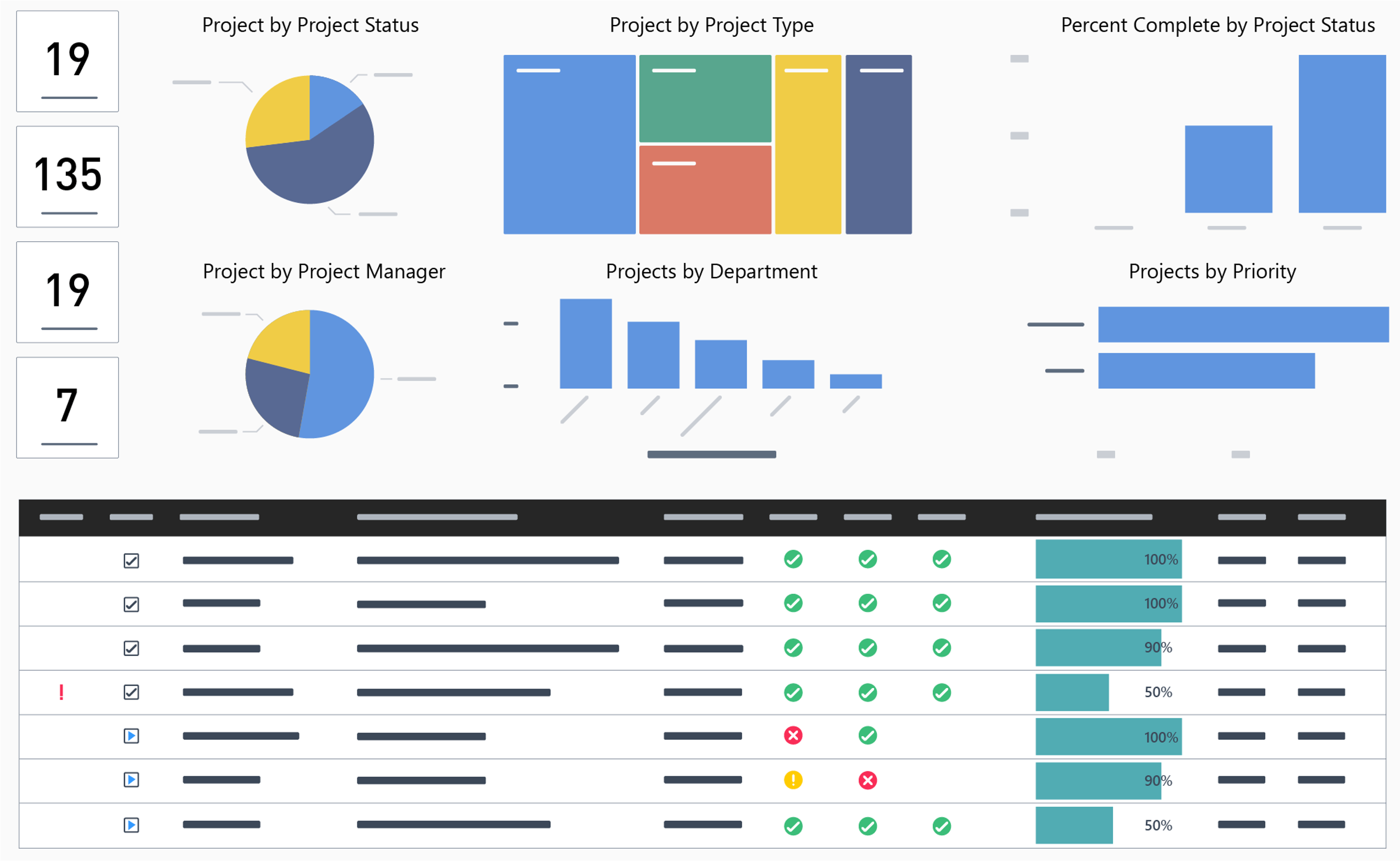
Cost Plan Manage provides high-tech reporting solutions for construction projects, where specialists develop customised templates tailored to client requirements. Utilising up-to-date information and an updated schedule serving as the sole source of truth, a reporting system is created, relying on MS PowerBI. The flexible format and content of the reports are adapted to the unique needs of each project. The automated process ensures continuous access for project participants to the overall project overview, enabling prompt decision-making to mitigate risks and ensure the successful implementation of the project.